
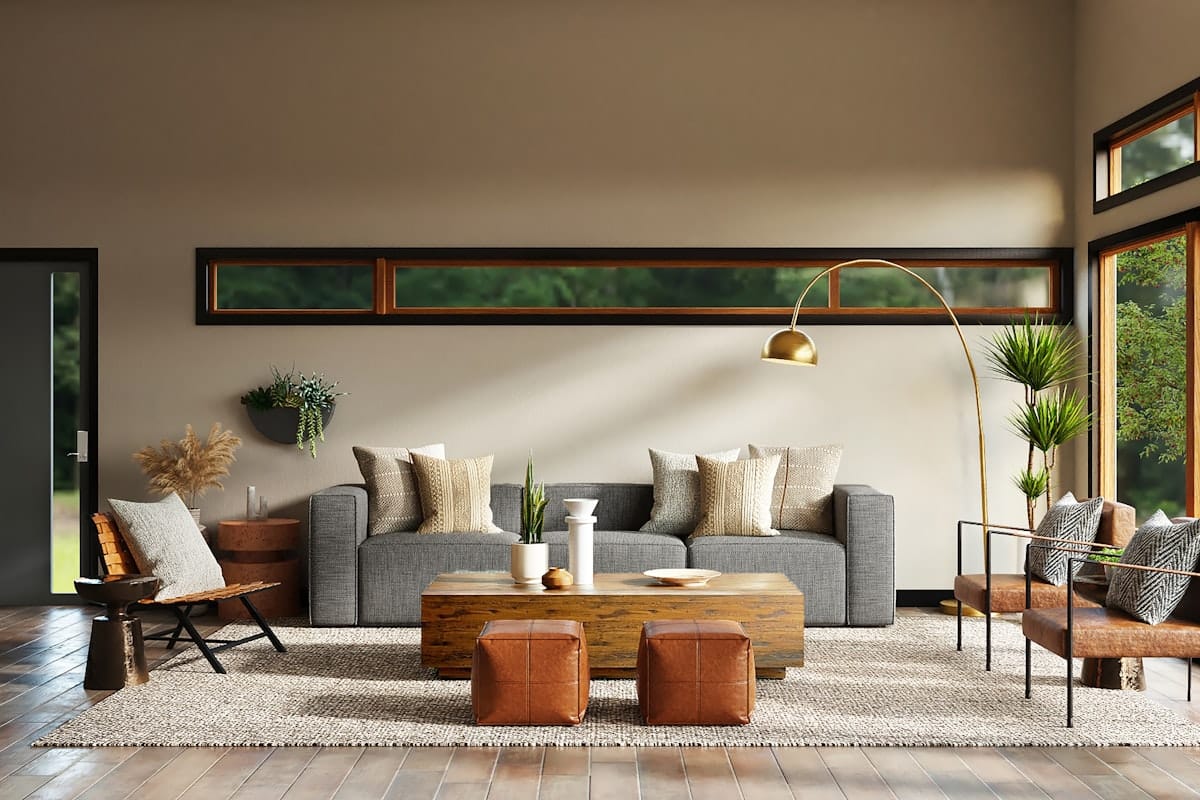
The wallpaper-versus-paint question is one we get in almost every design consultation. People have strong feelings about both. Those feelings are often based on old information — outdated assumptions about wallpaper being difficult or fragile, or about paint being the sensible, versatile default for any room.
The honest answer is: it depends on the room. Here’s the breakdown that actually helps you decide.
The Real Differences
Cost
Paint: $3–$8 per square foot installed (paint + labor). Simple, cost-effective for large surfaces.
Traditional wallpaper: $8–$30+ per square foot installed (material + labor). Higher upfront, but quality wallpaper lasts 15–25 years with no repainting.
Peel and stick wallpaper: $4–$12 per square foot, DIY-installable. Competitive with paint on cost, removable, no installer required. Browse our peel and stick wallpaper collection.
Durability
Quality wallpaper outlasts paint significantly — 15–25 years for traditional paste wallpaper versus 5–10 years for quality interior paint before it needs refreshing. Peel and stick wallpaper in non-humid environments runs 5–10 years.
Visual Impact
This is where wallpaper wins decisively. Paint, even a strong color, creates a flat, uniform surface. Wallpaper adds texture, pattern, depth, and personality that paint simply cannot replicate. If impact and distinctiveness matter, wallpaper wins by a significant margin. Our full designer wallpaper collection shows the range of what’s possible.
Room by Room
Living Rooms: Slight Edge to Wallpaper
Living rooms are where you spend the most time and where walls are most visible across different lighting. A textured wallpaper (grasscloth, linen-effect) adds depth that paint cannot. However, paint is the more practical choice if the room is large (high wallpaper cost), has many openings, or changes frequently.
Verdict: Wallpaper if you want a room that feels designed. Paint if you want flexibility or are working with a tight budget.
Dining Rooms: Wallpaper Wins
Dining rooms are the strongest argument for wallpaper. You’re seated and looking at the walls at close range for extended periods. The room is typically used for special occasions. A strong wallpaper choice — a botanical, a mural, a textured grasscloth — makes meals feel like occasions rather than routine. The investment is justified by how impactful the result is.
Verdict: Wallpaper, strongly. This is the room where the difference between wallpaper and paint is most noticeable.
Bedrooms: Depends on the Commitment
Bedrooms benefit from the calm texture of grasscloth or linen-weave wallpaper in the same way they benefit from quality bedding — the material quality matters more than the pattern. However, bedrooms are also personal spaces that change with life stages and preferences. If you repaint your bedroom every 5 years, paint is more flexible.
Verdict: Wallpaper on the headboard wall (one wall, not all four) as a compromise. Paint everywhere else.
Powder Rooms: Wallpaper Wins (by a lot)
Powder rooms are small enough to wallpaper for very little total cost, seen only by guests, and used without the moisture exposure of full bathrooms. There is almost no argument for paint in a powder room — a bold wallpaper creates a statement room that guests remember and talk about.
Verdict: Wallpaper. Always.
Kitchens: Paint Wins
Kitchens accumulate grease and steam. Most wallpaper (except high-durability vinyl) struggles in this environment. Tile is the better choice for backsplash areas; paint is the more practical choice for kitchen walls. The exception: a kitchen with excellent ventilation and walls that don’t get direct moisture may work with a durable wallpaper in a limited application.
Verdict: Paint for walls, tile for backsplash.
Entryways: Wallpaper Wins
First impressions matter, and entryways benefit enormously from a strong wallpaper statement. The wall area is typically modest (manageable cost), the room is seen by every visitor, and a wallpaper-clad entryway signals intentionality in a way that a painted one rarely does.
Verdict: Wallpaper for impact. Paint if the entryway is very large or sees heavy scuffing traffic.
Children’s Rooms: Peel and Stick Wallpaper
Children’s rooms change faster than any other room in the house. Peel and stick wallpaper is the ideal choice — it creates a fun, personality-filled room without the commitment. Choose timeless patterns (forests, celestial motifs, animals) rather than character-based themes that date quickly.
Verdict: Peel and stick wallpaper. The flexibility is worth more than the slight cost difference from paint.
Ready to make the switch to wallpaper?
Browse our full wallpaper collection — traditional paste, peel and stick, murals, and textured naturals.
Frequently Asked Questions
Is wallpaper more expensive than paint?
Traditional wallpaper has a higher upfront cost ($8–30+ per sq ft installed vs $3–8 for paint), but it lasts 15–25 years compared to 5–10 years for paint. Peel and stick wallpaper is cost-competitive with painting and DIY-installable.
Which lasts longer, wallpaper or paint?
Quality traditional wallpaper: 15–25 years. Quality interior paint: 5–10 years before it needs refreshing. Wallpaper wins on longevity decisively.
What rooms are best for wallpaper?
Dining rooms, powder rooms, and entryways benefit most from wallpaper. Bedrooms benefit from a single wallpapered wall (headboard wall). Kitchens and bathrooms (full baths) are generally better with paint or tile.
Is wallpaper hard to remove?
Traditional paste wallpaper can be challenging to remove. Peel and stick wallpaper removes cleanly with no wall damage. If removability is a priority, peel and stick is the right choice.
Can I wallpaper over paint?
Yes, in most cases. The paint surface must be clean, dry, and in good condition. Flat/matte paints may need a primer coat before wallpaper application. Sand any glossy paint lightly first.