
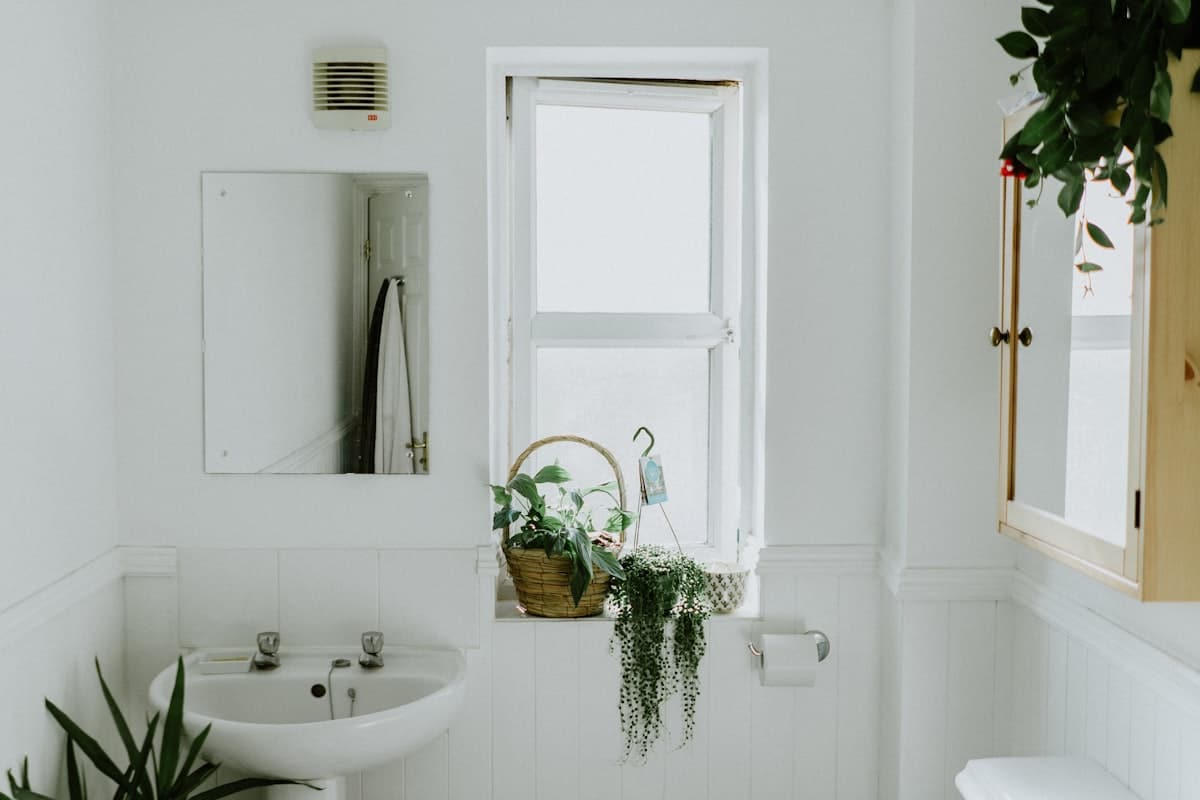
Fluted tile is one of those design choices that photographs beautifully, reads as intentional in person, and holds up over time in a way that purely trend-driven choices don’t. The vertical channel pattern creates depth and shadow without requiring bold color commitment — which is exactly why it has become one of the most versatile tile options in contemporary residential design.
What Makes Fluted Tile Different
Standard flat tile creates a smooth, uniform surface. Fluted tile has vertical channels — ridges and grooves pressed or cast into the tile face — that create a three-dimensional surface. The depth of the channel varies by product: subtle fluting creates a gentle shadow line; deep fluting creates dramatic shadow and movement.
The result is a wall that changes as light moves across it. Morning light reads differently than afternoon light; artificial light from a sconce reads completely differently than overhead light. Browse our tile collection for textured tile options across price points.
Where Fluted Tile Works Best
Bathroom Vanity Wall
The most common and most successful application. A floor-to-ceiling fluted tile wall behind the vanity creates a focal point that makes even a simple vanity look designed and intentional. White or cream fluted tile against a white vanity is the most versatile choice; sage or black fluted tile creates a stronger statement.
Shower Surround Accent Wall
One wall of a shower in fluted tile — opposite the showerhead, or on the back wall behind a freestanding shower — creates a spa-quality element that distinguishes the shower from a standard box. The main caution: the channels in fluted tile accumulate soap and mineral deposits faster than flat tile. Use minimal grout lines and seal carefully.
Kitchen Island Facing
Fluted tile on the kitchen island’s exterior face is a design-forward move that adds texture to an element that’s often visually flat. White or cream is the most versatile; a bold color (navy, deep green, black) on the island facing with simple cabinetry elsewhere makes a confident statement.
Fireplace Surround
Fluted tile surrounding a fireplace box creates a contemporary focal point. The vertical orientation of the channels draws the eye upward and creates height. Not suitable for the firebox itself (inside where fire contact occurs), but ideal for the surround area.
Grout Choices for Fluted Tile
Grout color has an outsized effect on fluted tile because the channels already create shadow lines. Contrasting dark grout on fluted tile can feel visually overwhelming — the eye reads two competing systems of lines. Matching or near-matching grout lets the tile’s own texture dominate, which is almost always the better choice.
Colors and Finishes
- White and cream matte: The most versatile. Works in traditional, transitional, and contemporary spaces. Matte finish is far more livable than gloss on textured surfaces.
- Soft sage and terracotta: The contemporary color choices that age gracefully. Sage fluted tile reads as organic and grounded; terracotta reads as warm and Mediterranean-influenced.
- Black matte: The boldest choice. Black fluted tile in a bathroom or kitchen is a high-commitment statement that reads as completely considered. Pair with warm metallics and natural wood for balance.
- Stone-look finishes: Limestone- and marble-look fluted tile gives the organic quality of natural stone in a material that’s easier to maintain.
If you’re designing a bathroom or kitchen renovation in Central Washington and want a designer’s perspective on tile selection, our team offers free design consultations in Wenatchee, Yakima, and throughout the region.
Explore textured tile options
From fluted and 3D textured to handmade-look finishes — tile that makes a statement.
Frequently Asked Questions
What is fluted tile?
Tile with vertical channels — ridges and grooves pressed into the face — that creates a three-dimensional, textured surface. The channels produce depth and shadow that changes with light direction throughout the day.
Is fluted tile hard to clean?
The channels accumulate mineral deposits and soap film faster than flat tile. Clean with a soft brush that reaches into the grooves, seal regularly, and choose minimal grout lines. Not recommended in heavy-use showers without a consistent cleaning routine.
Where does fluted tile work best in a bathroom?
The vanity wall is the strongest application — it creates a focal point that elevates even a simple vanity. Shower surround accent walls also work well. Avoid applications where cleaning access is very difficult.
What grout color is best for fluted tile?
Matching or near-matching grout in almost all cases. The tile channels already create their own shadow lines — contrasting grout competes with that texture and can feel visually overwhelming.
Can fluted tile be used in a kitchen?
Yes — kitchen island facing and backsplash applications work well. The texture creates visual interest without loud color, and it’s easy to keep clean in a dry-area application.