

If there’s one wallpaper category that crosses every design style and suits almost any room, it’s textured wallpaper. Grasscloth, linen-effect, plaster-look, and embossed papers are having a genuine moment right now — not as a trend, but as a design direction with real staying power. This is the wallpaper choice you won’t regret in five years.
Here’s what makes it work, where to use it, and what to look for when shopping.
What Is Grasscloth Wallpaper?
Grasscloth is a natural wallcovering woven from plant fibers — seagrass, jute, sisal, hemp, or similar materials — and backed with paper for installation. The result is a wall surface with genuine texture: subtle variation in color, a woven or ribbed pattern, and a tactile quality that reads as handcrafted and luxurious.

True grasscloth is a natural product, which means no two rolls are exactly identical and color variation between rolls is normal and expected. This variation is part of the appeal — it’s what makes grasscloth look like a real material rather than a printed simulation of one.
Linen-effect, jute-effect, and plaster wallpapers are the printed or embossed versions — they mimic the look of natural texture at a lower price point and with better consistency between rolls. Both the real and the imitation versions can look excellent depending on the application.
Why Textured Wallpaper Is the Quiet Luxury Choice
The “quiet luxury” aesthetic — refined, material-focused, understated — has become one of the defining design directions of the moment. It prioritizes quality over statement, texture over pattern, and livability over trend.
When choosing between true grasscloth and a textured vinyl alternative, consider the room’s humidity and how much wear the walls will see. True grasscloth is beautiful but absorbs moisture and marks easily — it’s best reserved for low-traffic rooms like dining rooms and bedrooms. For entryways, hallways, or powder rooms that get heavy use, a high-quality linen-effect or embossed vinyl gives you the same visual warmth with far better durability.
Textured wallpaper is the wall surface equivalent. It doesn’t announce itself the way a bold botanical or graphic pattern does. Instead, it adds depth and richness to a room in a way you notice more as you spend time in the space. Rooms with grasscloth walls feel warmer, quieter, and more considered than rooms with flat painted walls or busy pattern wallpaper.
It’s also one of the most versatile wallpaper choices you can make. Grasscloth works in traditional, transitional, coastal, Scandinavian, and contemporary interiors — the material quality translates across styles in a way that few other wallpapers do.
Best Rooms for Grasscloth and Textured Wallpaper
Living Rooms
The living room is one of the best applications for grasscloth. All four walls papered in a warm neutral grasscloth creates a room that feels enveloping and refined without competing with furniture, art, or rugs. It provides a backdrop that elevates everything in front of it. Browse our textured wallpaper options here.
Primary Bedrooms
A grasscloth or linen-effect paper on the wall behind the bed transforms a bedroom from a sleeping space into a proper retreat. The texture adds warmth, the natural tones work with almost any bedding palette, and the effect is genuinely luxurious at a fraction of what fabric-wrapped walls would cost.
Home Studies and Libraries
Studies and libraries are ideal for textured wallpaper — especially darker, richer tones of grasscloth in warm taupes, deep greens, or warm charcoals. The material quality suits the contemplative, intentional character of these rooms.
Dining Rooms
A dining room papered in grasscloth, especially in a warm amber, natural tan, or earthy green, creates an atmosphere that feels sophisticated and welcoming — perfect for the space where you host meals and gather with people you care about.
Texture Options: What to Know Before You Shop
True grasscloth: Natural fiber backed with paper. Expect color variation between rolls — this is inherent to the product. Not suitable for high-moisture rooms. Best for low-traffic walls. Price premium over printed alternatives, but the real-material quality is evident.
Linen-effect and jute-effect: Printed or embossed to mimic natural weave. More consistent color between rolls. Slightly more durable. Good value option that reads well in most applications.
Plaster and concrete-effect: A smoother, more minimal texture — subtle variation that mimics hand-applied plaster or polished concrete. Works particularly well in contemporary and minimalist interiors where grasscloth’s weave might feel too rustic.
Embossed and 3D wallpaper: Printed paper with a raised surface pattern. Ranges from subtle (light linen texture) to dramatic (geometric 3D relief). Durable, consistent, and a good entry point for texture without natural material cost.
Color Guide: What Works in Each Room
- Warm naturals (wheat, straw, camel): The classic grasscloth choice. Works in almost any room, pairs beautifully with wood tones and warm whites.
- Warm grays and putty: More contemporary, works well in rooms with cooler color palettes. Very versatile.
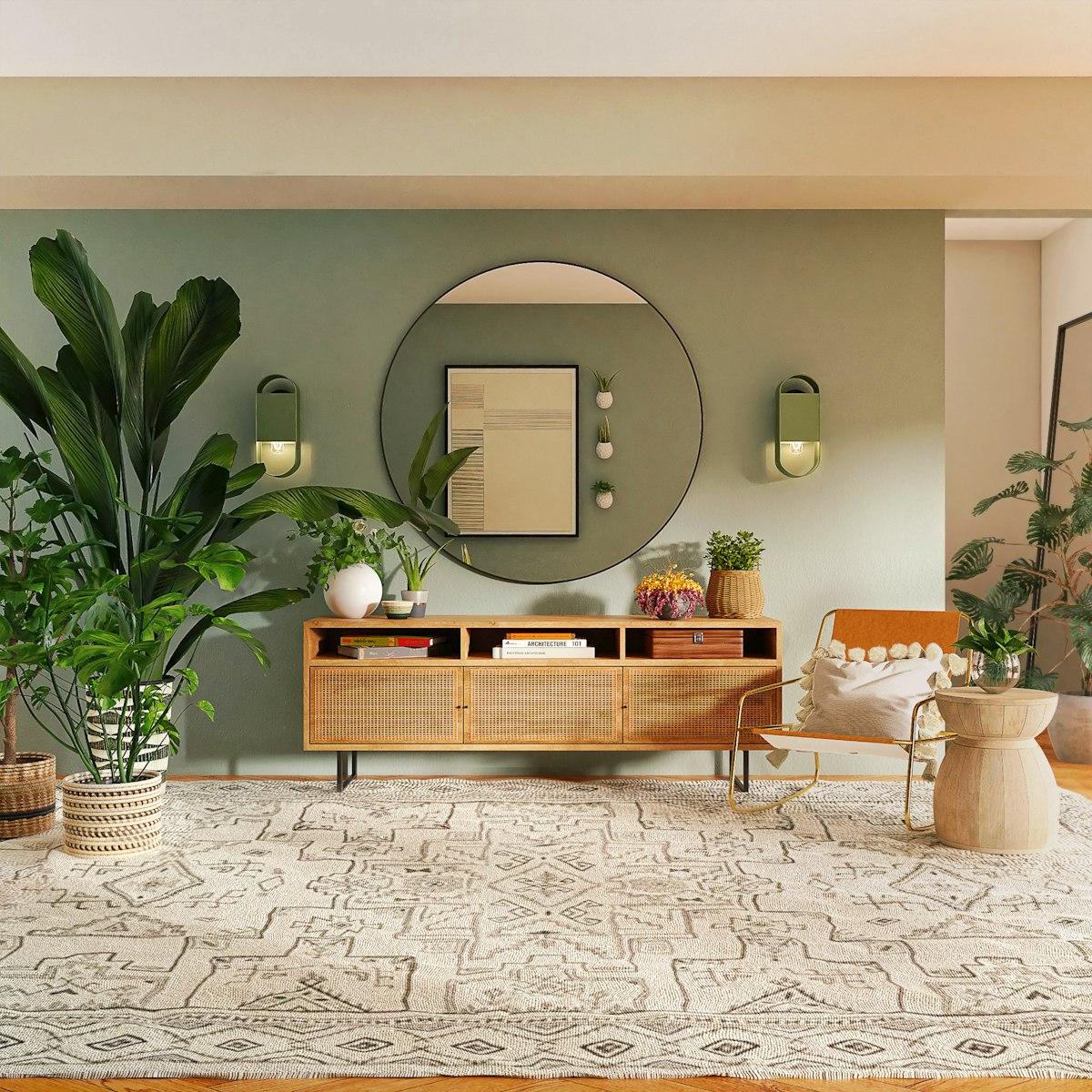
- Sage and eucalyptus greens: The most requested color right now. Warm, grounded, and incredibly livable.
- Deep charcoal and almost-black: Striking in a study, dining room, or bedroom feature wall. Rich and dramatic without being busy.
- Warm whites and cream: The quietest choice — adds texture without adding color. Best for rooms that are already complex in color and furniture.
For more guidance on natural material wallpapers, Architectural Digest’s wallpaper design guide is an excellent resource. You can also explore our complete wallpaper trends guide for a broader look at what’s working right now.
Our team at D. Marie Interiors offers free design consultations for homeowners across the region — Wenatchee, Yakima, and the Tri-Cities. We’ll help you choose wallpaper that suits your specific room and lifestyle. Browse our designer wallpaper collection and peel and stick options to explore what’s available.
Frequently Asked Questions
Is grasscloth wallpaper hard to install?
Grasscloth is typically installed paste-the-wall or paste-the-paper, depending on the product. It requires more care than standard wallpaper because the seams are visible (the woven edges butt together rather than overlapping), and it cannot be trimmed as precisely as paper-backed wallpapers. Most people hire a professional installer for grasscloth. Linen-effect and embossed alternatives are easier for DIY installation.
Textured wallpapers in mid-tones — warm taupes, soft sage, aged linen — are the easiest to work with because the texture itself provides visual interest. You don’t need a strong color to make the wall feel designed. Save your bold color instincts for rooms where you want a strong statement; in living rooms and primary bedrooms, a quiet textured neutral often outlasts a dramatic color choice by years.
Can grasscloth wallpaper be cleaned?
Natural grasscloth is more delicate than vinyl or printed wallpapers. It cannot be scrubbed or wetted. Light dusting with a dry cloth is usually the cleaning method. For this reason, grasscloth is best used in low-traffic areas — bedrooms, studies, and dining rooms — rather than hallways, children’s rooms, or anywhere walls take regular abuse. Printed linen-effect alternatives are more cleanable.
Why does grasscloth have color variation between rolls?
Grasscloth is made from natural plant fibers, which vary in color and texture from harvest to harvest. This is inherent to the material — just as wood grain varies between planks, grasscloth varies between rolls. Always order from the same dye lot and allow for this variation when planning your installation. Most designers consider the variation part of the natural beauty of the material.
What’s the difference between grasscloth and textured wallpaper?
Grasscloth is a specific type of textured wallpaper made from natural woven fibers. “Textured wallpaper” is a broader category that includes grasscloth plus printed linen-effect, embossed, plaster-effect, and other wallpapers that add surface dimension. The printed alternatives mimic grasscloth’s look at a lower price point with more consistent color and easier installation.
How does grasscloth compare to peel-and-stick textured wallpaper?
True grasscloth is a natural woven material with beautiful variation and depth, but it requires professional installation, can’t be wiped clean, and doesn’t tolerate humidity well. Peel-and-stick textured wallpapers have improved significantly — the best versions mimic the look of natural weaves convincingly and can be removed without wall damage. Peel-and-stick is a better choice for renters, high-traffic areas, or anyone who wants to try a bold look without a permanent commitment. True grasscloth is the choice when you want authentic material richness and can live with its maintenance requirements.